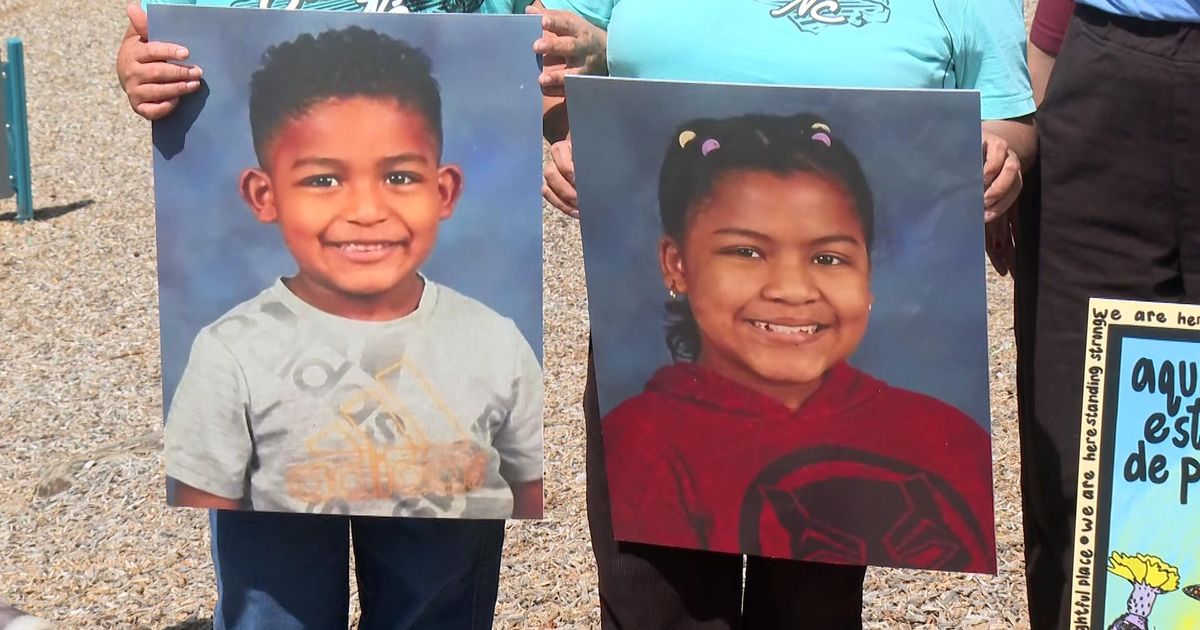
The Enduring Echo: Life After Deportation for a Durham Public Schools Family
The story of the Durham Public Schools family deported has resonated far beyond the borders of North Carolina, serving as a poignant reminder of the human cost of current immigration policies. As detailed in our previous articles, the events leading to the family's removal from the United States sent shockwaves through the local community, particularly within the educational system they were a part of. This third article delves into the profound aftermath of their deportation, examining the long-term impact on the family, the Durham community, and the ongoing efforts to support immigrant families and advocate for more humane policies. It's a narrative not just of loss, but of resilience, collective action, and the unwavering commitment of a community determined to protect its most vulnerable members.
For many, the news that a family deeply integrated into the Durham Public Schools system was deported was a stark and painful realization of realities faced by undocumented residents. The immediate shock often gives way to a lingering sense of injustice and fear, prompting a deeper examination of how such events ripple through society. Understanding these reverberations is crucial to appreciating the full scope of the challenges faced by immigrant families and the systemic issues at play.
The Profound Ripple Effect: Life After Deportation for a Durham Public Schools Family
The moment of deportation is rarely the end of a family's ordeal; rather, it often marks the beginning of a new, complex set of challenges. For the Durham Public Schools family, this meant a sudden and traumatic uprooting from a life they had built over many years. Children, who had likely known no other home than Durham, were forced to adapt to an unfamiliar country, often struggling with language barriers, cultural differences, and the emotional toll of separation from friends and support networks. Their education, once a stable cornerstone provided by Durham Public Schools, was severely disrupted, impacting their academic progress and future prospects.
The psychological impact on every family member can be devastating. Parents carry the burden of having their lives fractured, their dreams for their children's future in the U.S. shattered, and the immense stress of starting anew in an often-unfamiliar environment. Children, especially, are vulnerable to feelings of abandonment, anxiety, and depression. The sense of belonging, safety, and stability that a school community like Durham Public Schools strives to provide is abruptly stripped away, leaving deep emotional scars that can take years to heal, if they ever fully do.
Beyond the immediate family, the deportation sends a chilling message to other immigrant families within the Durham Public Schools system and the wider community. It breeds fear and distrust, making families hesitant to engage fully with institutions, including schools, for fear of drawing attention to their immigration status. This can lead to decreased participation in school activities, reluctance to seek essential services, and a pervasive sense of insecurity that undermines community well-being. Teachers and school administrators in Durham Public Schools often find themselves grappling with how to reassure and support students and families living under the shadow of similar threats, while also navigating the complexities of immigration law and policy.
Fact: Studies by organizations like the American Psychological Association highlight that children of deported parents often experience higher rates of mental health issues, including PTSD, anxiety, and depression, compared to their peers.
Durham's Response: A Community Rises in Support
In the wake of the deportation of the Durham Public Schools family, the community did not stand idly by. Instead, it mobilized with a powerful display of solidarity and compassion. Local organizations, faith communities, student groups, and concerned citizens quickly coalesced to offer support, demonstrating Durham’s long-standing commitment to its diverse population. This collective response underscored the city's values, often described as progressive and inclusive, and served as a powerful counter-narrative to the pain of the family's removal.
Specific initiatives included extensive fundraising campaigns to help the family with legal fees, relocation expenses, and basic needs in their new country. Advocacy groups ramped up their efforts, organizing rallies, informational sessions, and direct outreach to policymakers. Within Durham Public Schools, educators and support staff worked to create safe spaces for students to express their fears and anxieties, while reinforcing policies designed to protect student privacy and promote inclusivity. Many schools held discussions, created art projects, and wrote letters of support, aiming to instill a sense of solidarity and hope among students, especially those from immigrant backgrounds.
The interfaith community played a crucial role, with churches, synagogues, and mosques offering sanctuary, practical assistance, and emotional support to families feeling vulnerable. These networks of support illustrate how a community, when faced with adversity, can transform grief and anger into constructive action. The initial shock detailed in our Durham Public Schools Family Deported - Article 1 quickly evolved into sustained activism, creating a robust support system designed to both mitigate the immediate harm and advocate for long-term systemic change.
Practical Tip: If you wish to support immigrant families in your community, consider donating to or volunteering with local organizations that provide legal aid, social services, or advocacy for immigrant rights. Groups like El Centro Hispano, Church World Service Durham, and local legal clinics are often on the front lines.
Navigating the Labyrinth: Understanding Immigration Law and Rights
For families facing the threat of deportation, understanding the complex labyrinth of immigration law is paramount. The case of the Durham Public Schools family brought to light just how critical it is for immigrant residents to be aware of their rights and to have access to competent legal representation. Many deportations occur due to a lack of legal counsel or a misunderstanding of due process rights.
Key facts every immigrant family should know include:
- Right to Remain Silent: You have the right to refuse to answer questions from immigration agents (ICE) or other law enforcement.
- Right to an Attorney: You have the right to speak with an attorney before answering questions or signing any documents. If you cannot afford one, seek pro-bono legal services.
- Right to Not Open Your Door: Unless agents have a warrant signed by a judge, you are not required to open your door. Ask them to slide the warrant under the door or hold it up to a window.
- Due Process: Immigrants have rights to a fair hearing and the ability to present their case.
Local resources in Durham and across North Carolina are vital. Organizations such as Legal Aid of North Carolina, the NC Justice Center, and various university legal clinics often provide free or low-cost immigration legal services. These groups can help families understand their options, prepare for court, and develop a family emergency plan, which might include designating guardians for children in case of detention or deportation.
Actionable Advice: Every immigrant family, regardless of status, should create an emergency plan. This plan should include contact information for a trusted attorney, designated guardians for children, important documents stored in a safe, accessible place, and a clear understanding of what to do if approached by immigration officials. This proactive step can significantly reduce chaos and stress during a crisis.
Beyond Individual Cases: Advocacy for Systemic Change
While the focus on individual families, like the Durham Public Schools family deported, rightly evokes empathy and immediate action, their stories also serve as powerful catalysts for broader systemic change. The enduring challenge of immigration in the U.S. calls for comprehensive reform that addresses both border security and the humane treatment of individuals and families who contribute significantly to our communities and economy. The impact on children, especially those within our public school systems, underscores the urgency of this need.
Advocacy efforts in Durham and nationwide seek to influence policy at various levels. At the local level, cities can adopt policies that limit cooperation between local law enforcement and federal immigration agencies, creating a safer environment for immigrant residents. While Durham is not officially a "sanctuary city," its local government and school board have often taken strong stances in support of immigrant families, reassuring them that schools remain safe havens for learning, irrespective of immigration status.
At the state and federal levels, advocates push for reforms that include pathways to citizenship, protection for Dreamers (DACA recipients), and an overhaul of the deportation process to prioritize family unity and humanitarian considerations. The economic contributions of immigrant families are undeniable; they fill essential labor gaps, start businesses, and pay taxes, yet often live in fear and uncertainty.
Fact: The Center for American Progress estimates that deporting all undocumented workers would reduce U.S. GDP by $4.7 trillion over 10 years and significantly impact industries relying on immigrant labor.
Citizens and residents can play a vital role in advocating for these changes by contacting their elected officials, supporting organizations working on immigration reform, and staying informed about legislative proposals. The story of the Durham Public Schools family deported reminds us that behind every statistic and policy debate, there are real people with lives, hopes, and futures profoundly affected by our collective choices.
Conclusion
The deportation of a Durham Public Schools family leaves an indelible mark, not just on the individuals directly involved, but on the entire fabric of the community. It highlights the profound challenges faced by immigrant families in America and the urgent need for a more compassionate and effective immigration system. Yet, amidst the pain and disruption, the response from Durham demonstrates the power of solidarity, the strength of community bonds, and the unwavering commitment to justice. As this final article in our series emphasizes, while the family may no longer be physically present in Durham, their story continues to inspire action, galvanize support, and fuel the ongoing fight for systemic changes that uphold human dignity and keep families together. The lessons learned from their experience will continue to shape advocacy efforts, reinforcing the principle that every child, regardless of their parents' immigration status, deserves stability, education, and the opportunity to thrive within a supportive community like that fostered by Durham Public Schools.