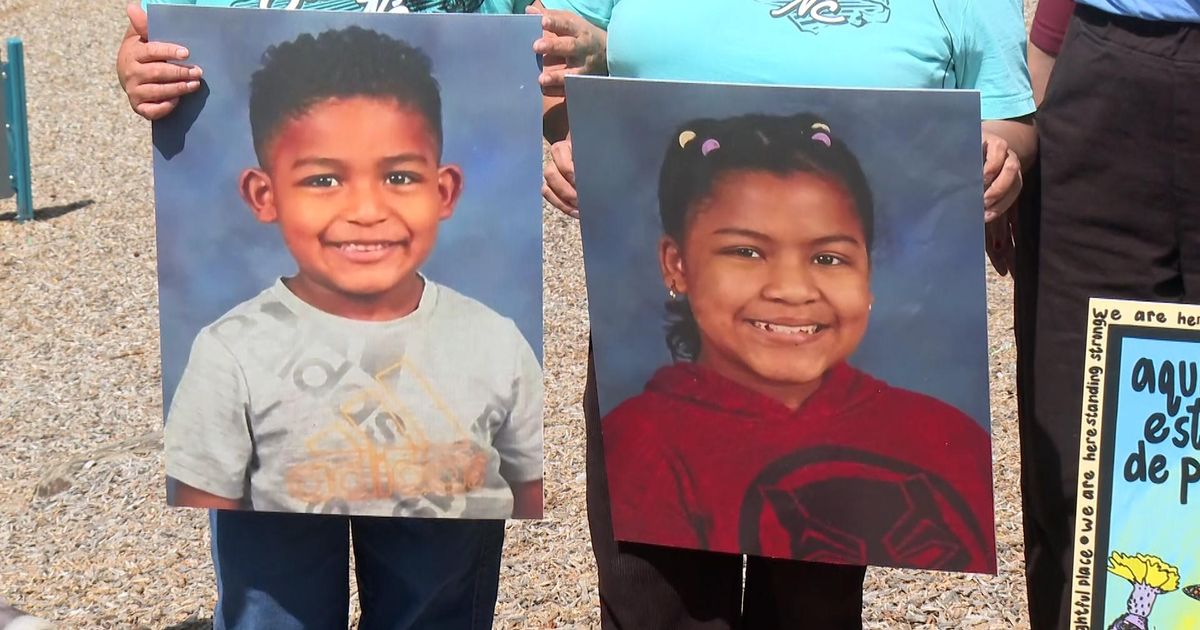
The Unfolding Impact: Deeper Into the Durham Public Schools Family Deportation
The recent news of a family connected to Durham Public Schools being deported has sent significant ripples through the local community and beyond. As we detailed in Durham Public Schools Family Deported - Article 1, the initial shock and immediate reactions highlighted the profound human cost of immigration enforcement. This second article delves deeper into the multifaceted impacts of this event, exploring the educational, social, and emotional ramifications for the children involved, the broader Durham Public Schools community, and the ongoing efforts to support affected families and advocate for change. The story of the Durham Public Schools family deported is not just a legal matter; it’s a deeply personal narrative that underscores systemic challenges and the resilience of a community united in solidarity.
The Ripple Effect: Beyond Immediate Family
When a family is deported, the consequences extend far beyond the individuals directly removed from the country. For children, the emotional and psychological trauma can be immense, impacting their academic performance, social integration, and overall well-being. The children of the Durham Public Schools family deported are now facing an entirely new reality, often abruptly separated from friends, teachers, and the only educational environment they've known. This sudden disruption can lead to:
- Educational Disruption: A sudden halt in their schooling, potentially forcing them into unfamiliar educational systems in a new country, often with language barriers.
- Emotional Trauma: Feelings of loss, grief, anxiety, and even guilt can manifest, requiring significant emotional support. The stress of parental separation can be particularly devastating.
- Social Isolation: Losing their social network, including friends and community ties, which are crucial for development and support during formative years.
- Financial Instability: The remaining family members, or the deported family, often face severe financial hardship, further compounding their challenges.
The impact also reverberates throughout the Durham Public Schools system itself. Teachers and school staff, who often form close bonds with their students, are left to grapple with the void left by these children. Counselors may see an increase in anxiety among other students concerned about their own families or friends. This situation serves as a stark reminder of the diverse backgrounds within the school system and the need for robust support mechanisms for vulnerable students and their families. Schools are often seen as safe havens, and incidents like this challenge that perception for many.
Community Mobilization and Support Systems
In the wake of the Durham Public Schools family deported news, the Durham community has demonstrated a powerful outpouring of support. Local advocacy groups, faith-based organizations, and concerned citizens have rallied together, transforming grief and outrage into actionable solidarity. This collective response highlights the community's commitment to its immigrant residents and its shared belief in human dignity.
Key aspects of the community's mobilization include:
- Legal Aid and Advocacy: Local immigration attorneys and non-profits have stepped up to offer pro-bono legal counsel, attempting to explore all possible avenues for appeal or relief for the deported family. They also work to educate other immigrant families about their rights and available resources.
- Fundraising Efforts: Campaigns have been launched to provide financial assistance to the family for living expenses, legal fees, and potential reunification costs. These efforts often involve bake sales, online crowdfunding, and community events.
- Emotional and Social Support: Community leaders, school officials, and mental health professionals are working to provide emotional support for the children affected, as well as for other students and families in the school district who might be experiencing fear or anxiety.
- Public Awareness and Education: Advocates are utilizing this situation to raise awareness about the complexities of immigration law, the impact of deportations on families, and the urgent need for comprehensive immigration reform. Public forums and information sessions have become common platforms for discussion.
Practical Tip: If you wish to support families affected by deportation, consider donating to reputable local immigrant aid organizations, volunteering your time, or contacting your elected officials to express your views on immigration policy. Even sharing accurate information can help combat misinformation and foster a more empathetic community dialogue.
Navigating the Complexities of Immigration Law
Understanding why a Durham Public Schools family was deported often requires navigating the intricate and frequently changing landscape of U.S. immigration law. The pathways to legal residency are often narrow, and many families, even those who have lived in the U.S. for decades, find themselves in precarious legal situations due to historical policy gaps, changes in legislation, or a lack of access to affordable legal representation.
Deportation processes can be initiated for various reasons, including visa overstays, violations of immigration laws, or even minor infractions that escalate due to prior orders of removal. Once a deportation order is issued, challenging it can be an uphill battle, often requiring sophisticated legal arguments and significant financial resources. Families caught in this system face immense stress and uncertainty, with legal battles sometimes dragging on for years.
Facts about U.S. Immigration Law:
- The U.S. immigration system includes both family-based and employment-based visas, but quotas and lengthy backlogs can make these routes inaccessible for many.
- Individuals ordered deported may have limited avenues for appeal, especially if they have exhausted prior legal remedies or failed to appear at past hearings.
- The concept of "sanctuary cities" or "sanctuary policies" varies greatly by jurisdiction, offering different levels of protection or non-cooperation with federal immigration enforcement, though they do not prevent federal enforcement action.
- For many families, the only hope lies in a private bill from Congress, which is rare, or a change in immigration policy at the federal level.
This particular case highlights the critical need for accessible legal services for immigrant communities. Without proper representation, individuals are significantly more likely to face deportation, even when valid legal defenses might exist.
Looking Ahead: What's Next for the Family and Community?
The story of the Durham Public Schools family deported is far from over. For the family, the immediate future involves adapting to a new environment, potentially navigating a foreign legal system, and grappling with the profound impact of their separation from the life they knew in Durham. For the children, this means adjusting to new schools, languages, and cultures, all while processing the trauma of their ordeal.
Within Durham, the community's resolve remains strong. Advocacy efforts will likely continue, focusing on supporting the family remotely, exploring all possible avenues for their return or reunification, and pushing for broader immigration reform. This incident serves as a catalyst for ongoing discussions about local policies, community support networks, and how to create a more inclusive and protective environment for all residents, regardless of immigration status.
The long-term implications are also significant for Durham Public Schools. This event underscores the importance of fostering a welcoming and secure environment for all students and families, and of providing resources to help them navigate complex challenges. It reinforces the role schools play not just in education, but in the social fabric and well-being of the entire community.
For a continued look into the unfolding story, the community's ongoing efforts, and potential next steps in the legal and advocacy spheres, please refer to Durham Public Schools Family Deported - Article 3.
The deportation of the Durham Public Schools family deported is a poignant reminder of the human element at the heart of immigration debates. It's a story of heartbreak and resilience, of systemic challenges and powerful community solidarity. As Durham continues to process this event, the focus remains on supporting affected individuals and advocating for policies that uphold family unity and human dignity.