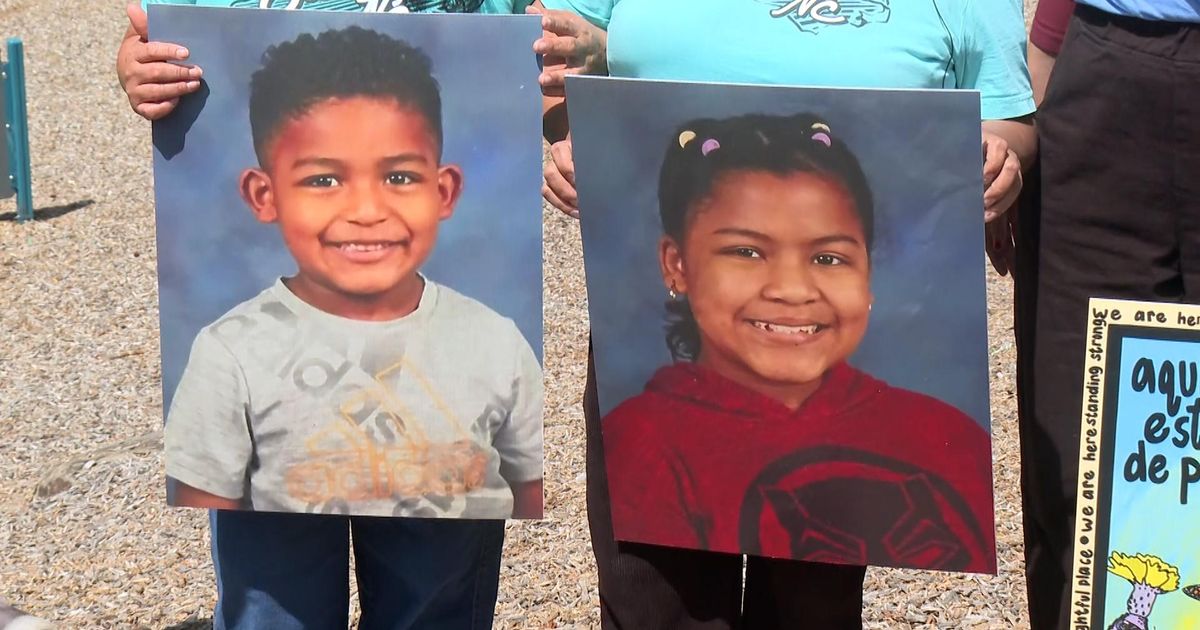
The news that a Durham Public Schools Family Deported can send ripples of concern, sadness, and anxiety throughout a community. For families connected to public school systems, their children’s education and well-being are paramount. When the threat or reality of deportation looms, or strikes, the impact extends far beyond the immediate family unit, affecting classmates, teachers, school staff, and the broader community that cherishes its diverse student population. This article delves into the profound implications of such an event, exploring the human element, the challenges faced by educational institutions, and the community's role in responding to these sensitive situations.
Understanding the Context: Immigrant Families and School Communities
School districts across the United States, including Durham Public Schools, serve a rich tapestry of students from various backgrounds, many of whom come from immigrant families. These families contribute significantly to the cultural and social fabric of their communities, often seeking better educational and economic opportunities for their children. Schools are not just places of learning; they are often central hubs for families, providing a sense of stability, belonging, and connection to resources.
For immigrant families, schools can be particularly vital. They are spaces where children learn English, integrate into American society, and build friendships. Parents engage with teachers, participate in school events, and sometimes find support services. This integration creates a delicate ecosystem, where the well-being of one family can affect many others. When a Durham Public Schools Family Deported, it underscores the vulnerability that some families face and the profound disruption that immigration enforcement actions can cause.
It's important to recognize that families facing deportation often do so under immense stress, navigating complex legal systems, language barriers, and deep emotional turmoil. Their children, many of whom are U.S. citizens, are thrust into uncertainty, facing potential separation from parents or relocation to unfamiliar environments. This context is crucial for understanding the emotional and practical challenges that arise in such circumstances.
The Immediate Fallout for Students and Schools
The deportation of a family profoundly impacts the children involved, potentially leading to a cascade of negative effects that extend into the school environment. The immediate fallout for students can include:
- Emotional Trauma: Children may experience significant emotional distress, anxiety, depression, and even post-traumatic stress disorder (PTSD). The sudden absence of a parent or the fear of family separation can be devastating.
- Academic Disruption: Emotional stress often translates into difficulty concentrating in class, declining grades, and disengagement from school activities. If a child is forced to relocate, they face the challenge of adapting to a new school, curriculum, and social environment.
- Social Isolation: Children may withdraw from friends and social activities, feeling isolated or ashamed. They might also struggle to explain their situation to peers or teachers.
- Loss of Stability: Schools often represent a safe and stable environment. When a family is deported, that sense of stability is shattered, leaving children feeling insecure and vulnerable.
For Durham Public Schools, such an event presents significant challenges:
- Supporting Student Well-being: Schools must be equipped to provide immediate emotional and psychological support. This often requires access to counselors, social workers, and mental health resources familiar with trauma-informed practices and culturally sensitive support.
- Communication and Confidentiality: Navigating communication with affected families, while respecting privacy and legal sensitivities, is critical. Schools must balance the need to support students with ensuring confidentiality.
- Staff Training: Teachers and school staff may need training to understand the unique challenges faced by immigrant students and families, recognize signs of distress, and respond empathetically.
- Resource Strain: Providing comprehensive support can strain school resources, requiring additional funding, personnel, and partnerships with community organizations.
The presence of school social workers, psychologists, and counselors becomes even more vital in these situations, offering a lifeline to students grappling with unimaginable circumstances. Establishing clear protocols for identifying and supporting vulnerable students, while maintaining a welcoming and inclusive school environment, is essential for any district striving to be a safe haven for all its learners.